
Long-Term Portable Toilet Rental Guide — a practical guide from the team at Azura Portable Toilets, drawn from years of experience serving construction sites, events, and private clients throughout High Point and the North Carolina Triad.
Planning portable sanitation well is not intuitive. There are variables — attendance, duration, alcohol service, weather, terrain, access — that combine in ways that surprise even experienced planners the first few times they book portable restrooms. This guide walks through the essentials so your next project or event proceeds without surprises.
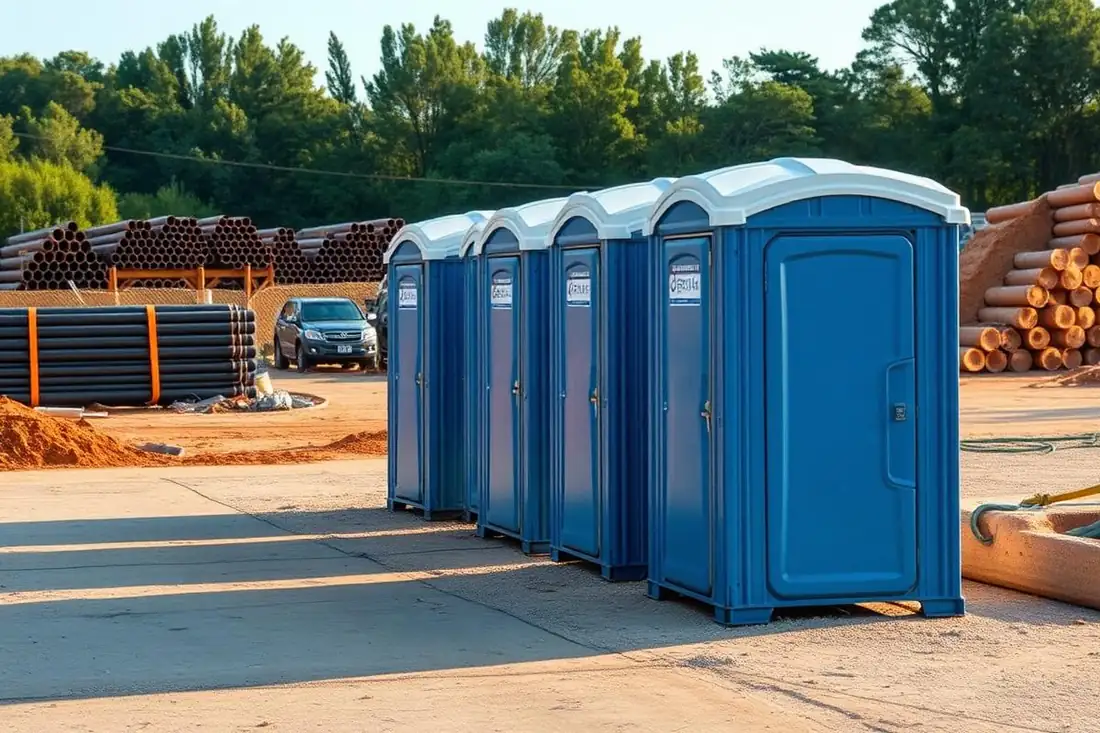
Construction sanitation is a specialized discipline, and Azura Portable Toilets brings decades of combined experience to worksites throughout High Point and the Triad region. Federal and state regulations require a specific number of restroom facilities based on the size of your crew, but meeting the minimum is only the beginning. A well-planned sanitation setup improves productivity, reduces workforce turnover, and demonstrates the kind of professionalism that inspection agencies and clients notice.
OSHA standard 29 CFR 1926.51 requires one toilet for every 20 workers on a construction site, with additional units required as headcount grows. But the letter of the regulation doesn't capture what actually happens on a busy job — crews cluster near their workstations, work spans multiple stories, and long walks to a single restroom bank cost real productive time. Our project managers help you place units strategically so workers can access facilities without abandoning their tasks for extended periods.
For long-term projects, scheduled maintenance is the difference between a professionally-run site and a source of complaints. Our standard service includes waste removal, tank cleaning, deodorizer replacement, and paper product restocking on a weekly or bi-weekly basis depending on usage. High-volume sites can be scheduled for two or three service visits per week, and we track every service through a digital manifest that we can share with your safety officer or client.
Winter operation is a specific concern in High Point, where January and February can bring hard freezes. Our winterization protocol includes upgraded deodorizing chemicals that resist gelling, service schedule adjustments to prevent frozen tanks, and consultation on unit placement to maximize southern exposure and shelter from prevailing winds. We've kept units operational through some of the coldest weeks the Triad has seen in the last decade.
For projects requiring hand hygiene beyond hand sanitizer, we offer freestanding handwashing stations with pump-fed sinks, paper towels, and enclosed graywater tanks. These are increasingly required on food-adjacent sites, healthcare renovations, and any project where crews handle materials that require washing before breaks. Combined with our standard restroom units, they create a complete sanitation package that satisfies the strictest safety officers.
Access matters. Our drivers have delivered to gated industrial sites, active highway work zones, downtown high-rise projects, and remote agricultural developments across High Point and surrounding counties. We coordinate with site superintendents in advance to confirm access hours, gate codes, and staging locations, and our trucks are sized to navigate tight urban lots without disrupting ongoing work.
For general contractors juggling multiple sites, we offer consolidated billing, single-point-of-contact account management, and volume pricing that scales with your annual work. Established relationships with several of the largest builders operating in the Triad have made us a preferred vendor because we deliver what we promise — every unit, every service visit, every week.
Construction sanitation is a specialized discipline, and Azura Portable Toilets brings decades of combined experience to worksites throughout High Point and the Triad region. Federal and state regulations require a specific number of restroom facilities based on the size of your crew, but meeting the minimum is only the beginning. A well-planned sanitation setup improves productivity, reduces workforce turnover, and demonstrates the kind of professionalism that inspection agencies and clients notice.
OSHA standard 29 CFR 1926.51 requires one toilet for every 20 workers on a construction site, with additional units required as headcount grows. But the letter of the regulation doesn't capture what actually happens on a busy job — crews cluster near their workstations, work spans multiple stories, and long walks to a single restroom bank cost real productive time. Our project managers help you place units strategically so workers can access facilities without abandoning their tasks for extended periods.
For long-term projects, scheduled maintenance is the difference between a professionally-run site and a source of complaints. Our standard service includes waste removal, tank cleaning, deodorizer replacement, and paper product restocking on a weekly or bi-weekly basis depending on usage. High-volume sites can be scheduled for two or three service visits per week, and we track every service through a digital manifest that we can share with your safety officer or client.
Winter operation is a specific concern in High Point, where January and February can bring hard freezes. Our winterization protocol includes upgraded deodorizing chemicals that resist gelling, service schedule adjustments to prevent frozen tanks, and consultation on unit placement to maximize southern exposure and shelter from prevailing winds. We've kept units operational through some of the coldest weeks the Triad has seen in the last decade.
For projects requiring hand hygiene beyond hand sanitizer, we offer freestanding handwashing stations with pump-fed sinks, paper towels, and enclosed graywater tanks. These are increasingly required on food-adjacent sites, healthcare renovations, and any project where crews handle materials that require washing before breaks. Combined with our standard restroom units, they create a complete sanitation package that satisfies the strictest safety officers.
Key Considerations
- Headcount and duration: More people over longer periods equals more units and more frequent service.
- Alcohol service: Adds 30–40% to expected restroom usage.
- Weather: Hot weather increases hydration and thus restroom usage; cold weather requires winterization protocols.
- Site access: Trucks need to reach the delivery location. Confirm gate access and clearances in advance.
- ADA accessibility: At least one wheelchair-accessible unit for every public event and most private ones.
- Service frequency: Long-term deployments require weekly service minimum; high-volume events may need daily service.
Common Pitfalls
The most common mistake is under-ordering. The industry rule of one unit per 100 guests for a four-hour event is a floor, not a ceiling. If your event serves alcohol, extends beyond four hours, or is likely to have a predominantly female audience, you should order more. It is always cheaper to add an extra unit than to deal with long lines and unhappy guests.
The second most common mistake is poor placement. Units placed too close to food service will cause complaints. Units placed too far from gathering areas will go unused. Units placed on soft ground can tip over. Consult your provider before finalizing placement.
How Azura Portable Toilets Helps
We don't just deliver units — we help you plan. Our team walks through your specific situation, asks the right questions, and recommends a package that fits your reality. That consultative approach is why we have long-term relationships with contractors, event planners, and municipal clients throughout the Triad.
Related Resources
- Complete Guide to Portable Toilet Rentals
- Portable Toilet Rental Cost Guide
- How Many Portable Toilets Are Needed for an Event
- Outdoor Event Sanitation Checklist